
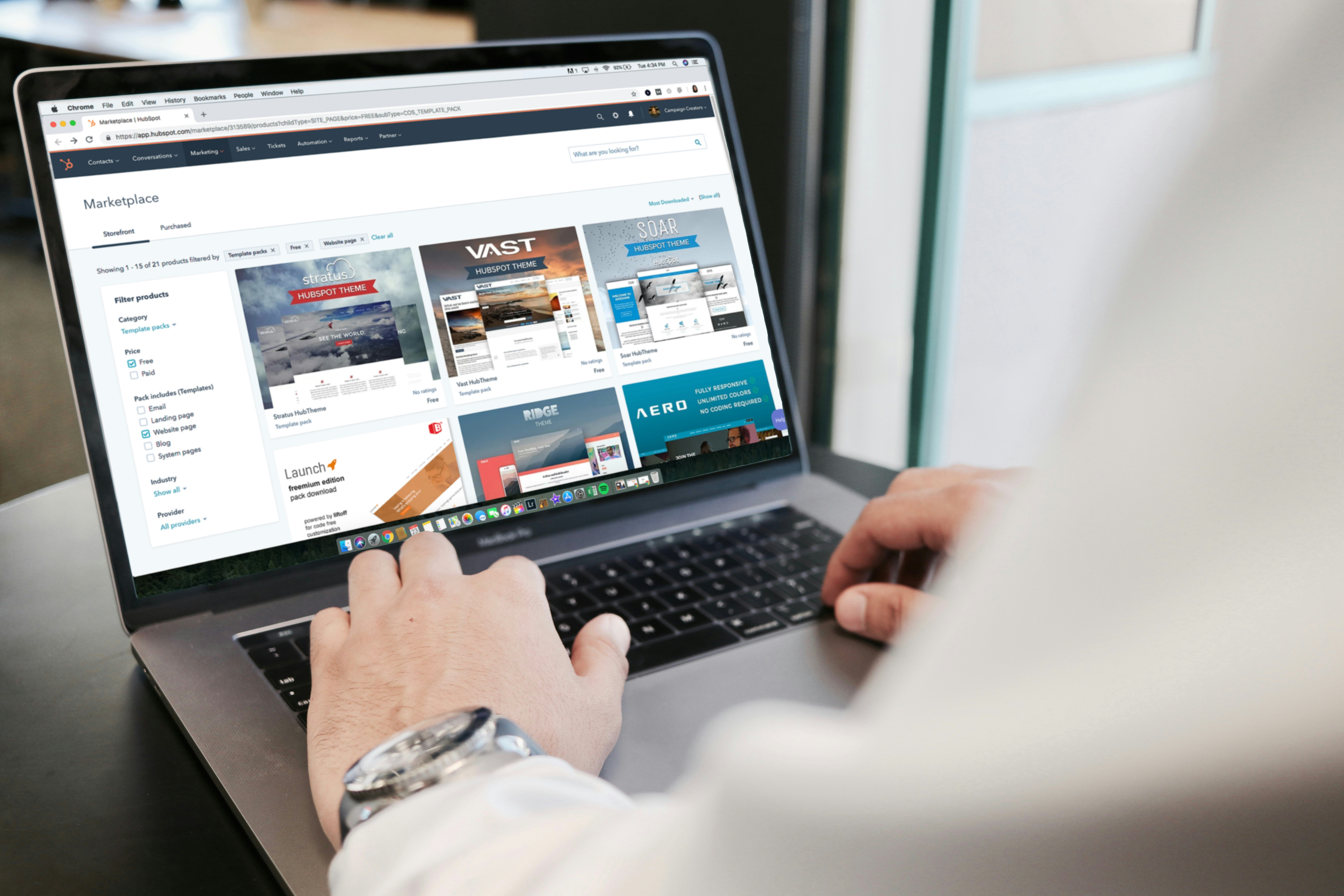
Understanding the Connection Between Website Quality and Sales
The relationship between website quality and sales performance is critical in the digital marketplace. A well-designed website acts as a virtual storefront, representing the brand and influencing consumer perceptions. Aesthetic appeal is often the first element that captures visitors’ attention. Studies indicate that approximately 90% of first impressions of a website are based on design alone. This highlights the need for engaging visuals and a cohesive theme to establish an appealing environment that entices potential customers.
Moreover, usability plays an equally significant role. A website must be easy to navigate, allowing users to find what they need efficiently. According to research by the Nielsen Norman Group, a poor user experience leads to higher bounce rates, where visitors leave the site without making a purchase. Sites that facilitate straightforward navigation not only enhance user satisfaction but also increase the likelihood of conversions. Features such as intuitive menu structures, clear call-to-action buttons, and effective search functionalities contribute to a smoother user journey.
Functionality is another crucial aspect that impacts sales figures. A website with quick loading times and minimal technical issues fosters trust with customers. Studies show that a delay of just a few seconds in page load time can result in significant drop-offs, with 40% of users abandoning a website if it takes more than three seconds to load. This data underscores the importance of optimizing website performance to keep visitors engaged and ready to purchase.
In conclusion, the interplay between a website’s aesthetics, usability, and functionality directly influences customer trust and ultimately, sales figures. Investing time and resources to enhance website quality can yield substantial returns, as a well-crafted online presence not only attracts visitors but also converts them into loyal customers.
Key Features of an Effective Sales-Driving Website
In the competitive landscape of online retail, the efficacy of a website in driving sales is often determined by its key features. A well-designed website not only captures attention but also facilitates a seamless shopping experience, which is essential for boosting conversions.
User-friendly navigation is one of the primary features that contribute to the overall effectiveness of a website. An intuitive layout allows visitors to find products easily and enhances their chances of making a purchase. Including clear categories, a search function, and sensible menu structures are components that foster this accessibility. When users can navigate a website effortlessly, they are more likely to explore multiple products, increasing the potential for sales.
Furthermore, mobile optimization is indispensable in today’s digital marketplace. With an increasing number of consumers shopping through their smartphones, a responsive design that adapts to different screen sizes is crucial. A mobile-friendly website not only improves user experience but also helps in retaining customers who might abandon their carts if faced with a cumbersome mobile interface.
Equally important are effective call-to-action (CTA) buttons. These elements guide users towards desired actions, whether it be making a purchase, signing up for a newsletter, or contacting customer support. Strategically placed, attention-grabbing CTAs can significantly increase conversion rates, making them vital for any sales-driven website.
High-quality product images are another essential aspect of an effective online platform. Vibrant, clear images allow customers to assess products accurately and can bolster their confidence in making a purchase. When product imagery is coupled with engaging descriptions, it creates a compelling sales proposition.
Moreover, the speed and security of a website cannot be overlooked. Websites that load quickly reduce bounce rates and keep users engaged. Similarly, ensuring that a website is secure fosters trust, as customers are likely to abandon transactions if they feel their personal data is at risk. Together, these factors create a positive user experience that is vital for increasing sales.
The Role of Content in Boosting Sales Through a Website
Content marketing plays a crucial role in enhancing sales through a website. In today’s digital landscape, the importance of high-quality content cannot be overstated. Various types of content can be leveraged to create a compelling online presence, including product descriptions, blog posts, testimonials, and videos. Each of these elements not only informs potential customers but also builds trust and engagement.
Product descriptions must be detailed and informative, providing potential buyers with all necessary information to make informed purchasing decisions. They should not only highlight the features but also the benefits of the products, thereby addressing the needs and wants of the customer. Effective product descriptions can significantly lower bounce rates and enhance conversion rates, ultimately leading to increased sales.
Blog posts are another vital content type that serves dual purposes: improving SEO and establishing authority in a specific niche. By regularly publishing relevant and valuable articles, businesses can attract more visitors to their websites. Quality blog content aligned with relevant keywords boosts search engine rankings, draws more organic traffic, and helps convert visitors into customers over time.
Testimonials and reviews add credibility and can sway potential buyers by offering social proof. By showcasing positive experiences from previous customers, companies can alleviate any lingering doubts prospective buyers may have. Furthermore, incorporating video content into marketing strategies is increasingly essential, as videos can effectively engage users and convey messages more convincingly than text alone. Engaging videos can explain product usage, show real-life applications, or share customer experiences, thereby enhancing the overall purchasing experience.
Implementing effective SEO strategies is equally important for all content types. Ensuring that content is optimized for search engines enhances visibility and increases the likelihood of generating sales. This includes keyword research, on-page optimization, and employing best practices for link building. By utilizing content marketing strategies thoughtfully, businesses can ultimately drive more traffic, enhance customer engagement, and increase sales through their websites.
Case Studies: Examples of Success and Lessons Learned
In today’s digital age, having an efficient website is crucial for businesses aiming to boost sales. Numerous companies have successfully demonstrated this principle, showcasing the vital link between website enhancements and increased revenue. This section presents real-life examples of businesses that benefited from improved website designs.
One notable example is a global apparel brand that revamped its e-commerce site. The redesigned website featured an intuitive interface and streamlined navigation, which significantly reduced page load times. This improvement not only enhanced user experience but also led to a 30% increase in online sales over six months. Challenges faced during this transition included maintaining operational continuity while integrating new systems, yet the end result provided a robust return on investment.
Another case involves a local restaurant that introduced an online booking system through its newly designed website. Prior to this upgrade, bookings were conducted via phone calls, resulting in missed opportunities during peak hours. After launching the improved website with integrated online reservations, the restaurant witnessed a 50% rise in bookings and overall sales. The key challenge was training staff to manage the new system effectively, which was overcome through dedicated onboarding sessions.
Finally, a tech startup enhanced its lead generation by optimizing its landing pages with targeted content and engaging visuals. The previous version of the website suffered from high bounce rates due to its cluttered layout. After the redesign, the startup experienced a 40% increase in lead conversions. Overcoming the challenge of defining their ideal customer profile allowed them to tailor their website content effectively.
Collectively, these case studies underscore the importance of an optimized website in driving sales. They offer valuable lessons for other enterprises: prioritize user experience, invest in design improvements, and measure outcomes to ensure ongoing success.